The Calabash Framework
-
Strategy
UX Strategy
-
Design
UX Research
-
Client
Stanford PACS · Digital Civil Society Lab Practitioner Fellowship, Stanford PACS · Digital Civil Society Lab Practitioner Fellowship,
-
Location
Mt. Kenya, Rift Valley, Nandi County
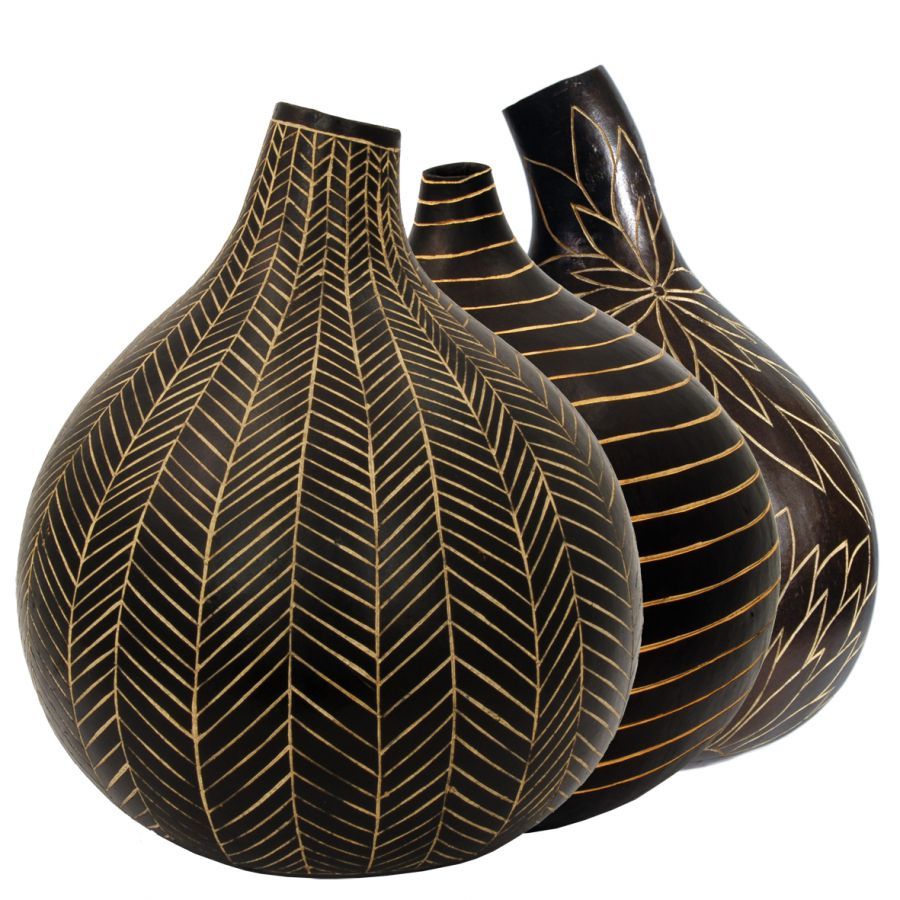
What would our tools look like if we built them the way my great-grandmother used a calabsh - grown slowly, treated with intention, a vessel of memory, co-created with nature?
performance
For generations, the calabash has been one of Africa’s most enduring technologies. It is cultivated rather than manufactured, shaped through care instead of extraction, and passed from one generation to the next as both a functional object and a carrier of memory.
The Calabash Framework draws from this material tradition to propose an alternative model for user-centered design—one rooted in stewardship, relationality, ecological awareness, and collective authorship. Developed through field research in Kenya and the Stanford PACS Digital Civil Society Lab, the framework explores how Indigenous knowledge systems can expand the future of digital design rather than simply decorate it.
How might Indigenous material knowledge reshape the way we design digital experiences?
Today’s UX methodologies often optimize for efficiency, engagement, and growth. Yet many of today’s most urgent challenges—climate resilience, cultural preservation, public infrastructure, and community governance—require approaches that value continuity over scale and stewardship over speed.
This research asks whether an object that has sustained communities for centuries can offer principles for designing technologies that endure.
Vessels, not funnels.
Growing, treating, and decorating a calabash isn’t a sprint — it’s practice carried through generations, built to produce something that lasts and can be mended. I use the vessel as a working model for interface and process design, set against the growth-funnel logic that treats a product as a pipe for moving people through as quickly as possible. A vessel asks different questions than a funnel does: What does this hold? Who tends it once I’m gone? What does care look like across its whole life, not just the next production cycle.
Knowledge-holders as co-creators, not subjects
Most UX research treats community members as informants — people to interview, observe, and extract insight from once. At Origin Lab, I watched a different structure work in practice: local elders, DeKUT and MIT students, and rural technologists sitting inside the same design process as authors, not sources — engineers and knowledge-holders solving the same problem from different disciplines, at the same table. That distinction changes who a product is accountable to, and it changes whose expertise counts in the room.
Land as a design site.
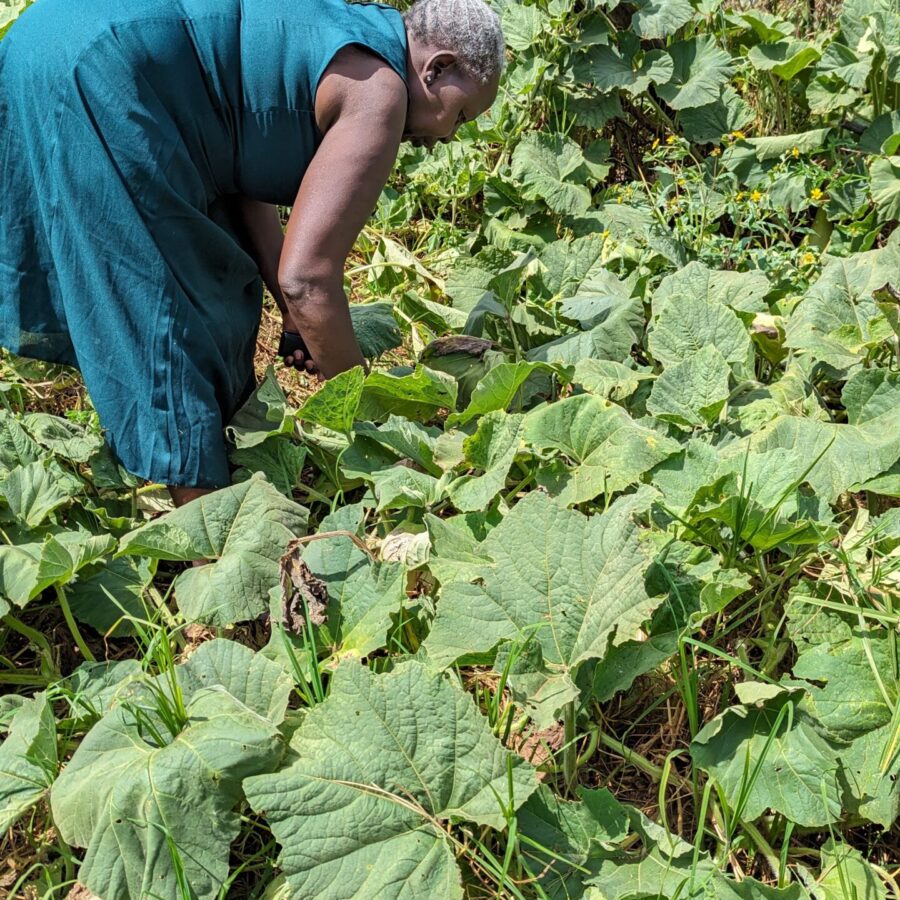
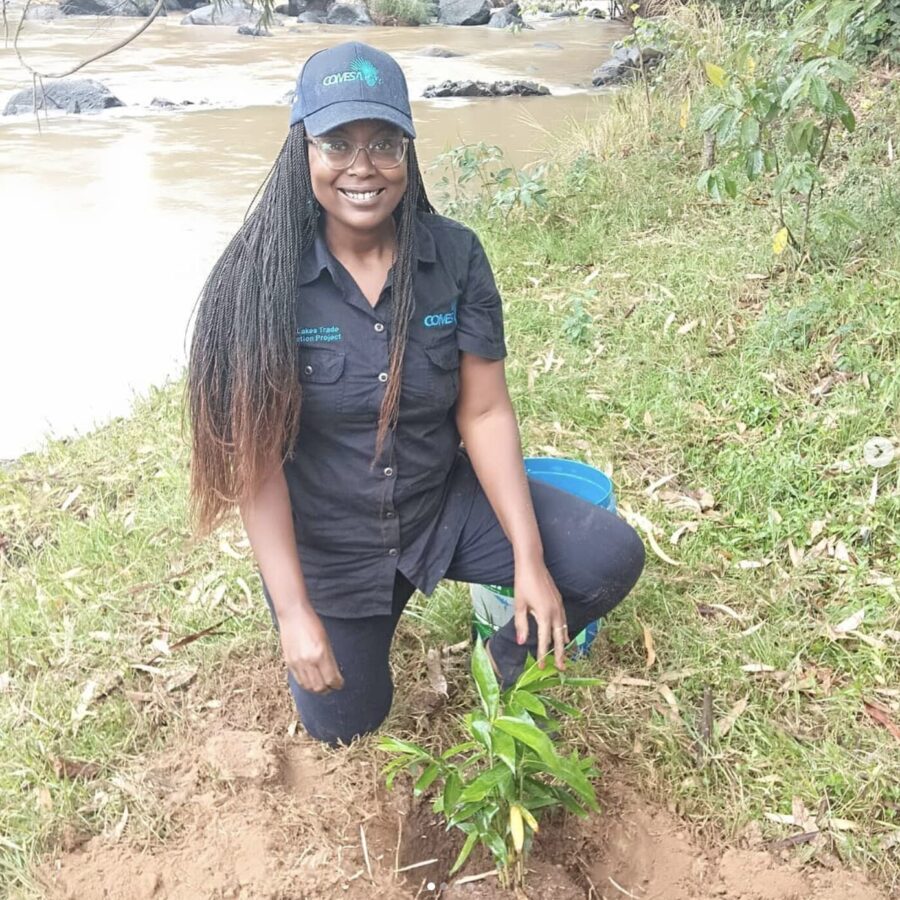
Digital systems carry real ecological and material consequences, and I don’t think that belongs outside the design process — I think it belongs inside it. During the fellowship, I planted over 10,000 indigenous trees and shrubs in Kakamega Forest, one of Kenya’s last remaining equatorial rainforests. Months later, at the foot of Mount Kenya, I was back in the mud — building, farming, fishing, raising a homestead by hand. Both were the same practice: treating land-based, regenerative work as part of the design process, not a metaphor standing in for it.
What if digital products were designed less like software and more like living vessels?
The Calabash Framework began as a question about an everyday object. It evolved into a design methodology shaped by fieldwork, interdisciplinary collaboration, and Indigenous knowledge systems. Rather than proposing a replacement for human-centered design, it offers another way of seeing—one that understands digital products as living vessels that carry relationships, memory, and responsibility across generations. This research continues to evolve through every workshop, collaboration, and project undertaken at UXETU.
The Calabash Method: A Practitioner's Checklist.
In practice, the framework breaks down into a sequence I return to on every project, whether the deliverable is a product, a curriculum, or a physical space.